
Finding a reliable OEM casual dress manufacturer in China is one of the most important strategic decisions for fashion brands in 2025. Whether you're a startup boutique, private label retailer, or a global apparel brand, choosing the wrong supplier can lead to delays, poor quality, unexpected costs, and damaged brand reputation.
On the other hand, working with the right manufacturer ensures consistent product quality, predictable delivery timelines, scalable production, and long-term cost efficiency.
This guide will walk you step-by-step through how to evaluate factories, which red flags to avoid, what pricing influences to expect, and a practical checklist to help you choose a trustworthy supplier.
👉 Start exploring OEM services:
🔗 OEM Dress Manufacturer
Why Choosing the Right Manufacturer Matters in 2025
The global fashion industry has shifted dramatically. With the rise of private label clothing, eCommerce brands, Instagram boutiques, and fast fashion, more brands are turning to OEM production instead of manufacturing themselves.
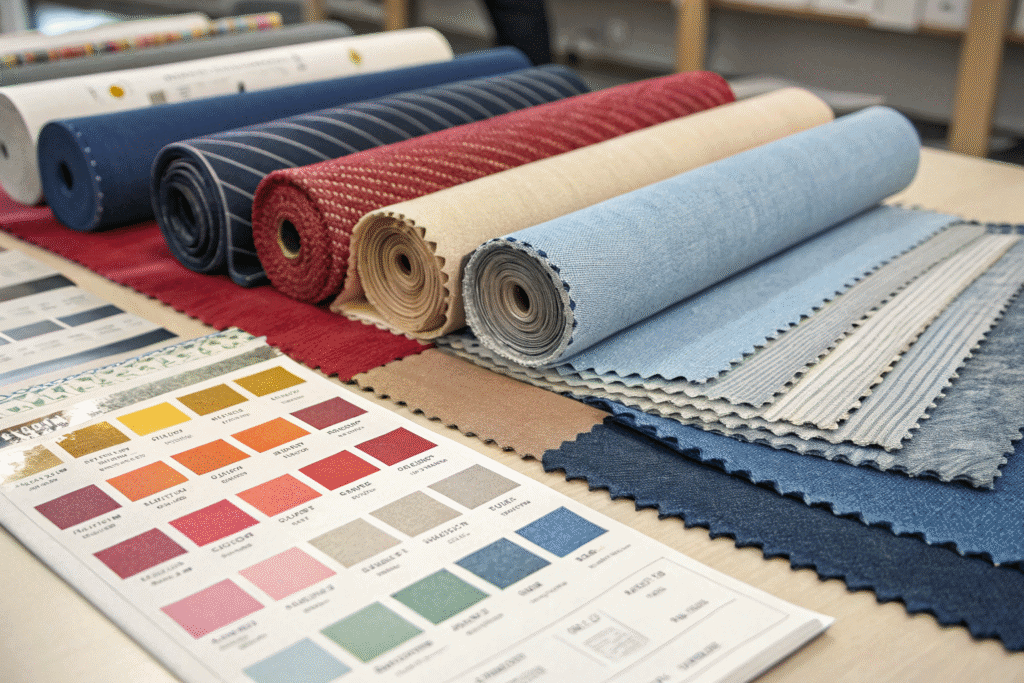
The Growth of Private Label & OEM Fashion Brands
OEM gives brands the ability to produce their own exclusive designs with custom:
- Patterns
- Fabric sourcing
- Branding and labeling
- Packaging
- Sizing and grading
This flexibility makes the model ideal for brands building identity and differentiation.
Why China Remains a Top Manufacturing Choice
China remains the global leader in garment manufacturing thanks to:
- Full textile supply chain integration
- Skilled labor in apparel sewing and pattern development
- Competitive pricing
- Fast sampling and bulk production
- Strong export capability
Brands seeking reliability and scalability continue choosing China for long-term partnerships.
Understanding OEM Manufacturing for Casual Dresses
Before choosing a manufacturer, you must understand what OEM production includes.
What OEM Means in Apparel Production
OEM stands for Original Equipment Manufacturer, meaning the factory produces garments based on your:
- Tech pack
- Size charts
- Pattern
- Fabric choices
- Branding requirements
This gives full creative control and product differentiation.
Which Brands Should Choose OEM?
OEM is suitable for:
| Type of Brand | OEM Benefit |
|---|---|
| Startups testing first products | Custom identity vs. generic products |
| Private label fashion businesses | Full branding control |
| Established brands | Scalable production |
| Wholesale & retail sellers | Repeatable quality and sizing |
| E-commerce brands | Faster adaptation to trends |
Why OEM Works Especially Well for Casual Dresses
Casual dresses involve repeatable silhouettes, standard sizing, and fabric flexibility (cotton, rayon, linen, chiffon, and knits), making them ideal for OEM production.
👉 Browse available dress categories:
🔗 Custom Casual Dresses
Key Qualities of a Reliable OEM Casual Dress Manufacturer
To avoid costly mistakes, evaluate manufacturers based on the following criteria:
1. Technical Ability and Pattern Development
A strong manufacturer should:
- Create or adjust patterns based on your design
- Grade sizes professionally
- Provide fitting support
- Understand shrinkage rates and handling techniques
Factories with experienced pattern makers can prevent future issues such as inaccurate measurements or poor fit.
2. Sample Quality and Craftsmanship
Sampling is the most important validation phase.
Check:
- Stitch consistency
- Fabric behavior after washing
- Thread trimming and finishing
- Labeling and branding execution
A reliable manufacturer treats samples like final production—not rough drafts.
3. Factory Compliance and Certifications
Factories working with international brands often hold:
- BSCI
- ISO
- OEKO-TEX Standard 100 Fabrics
- Sedex
- CPSIA compliance support
Compliance ensures product safety, ethical standards, and export readiness.
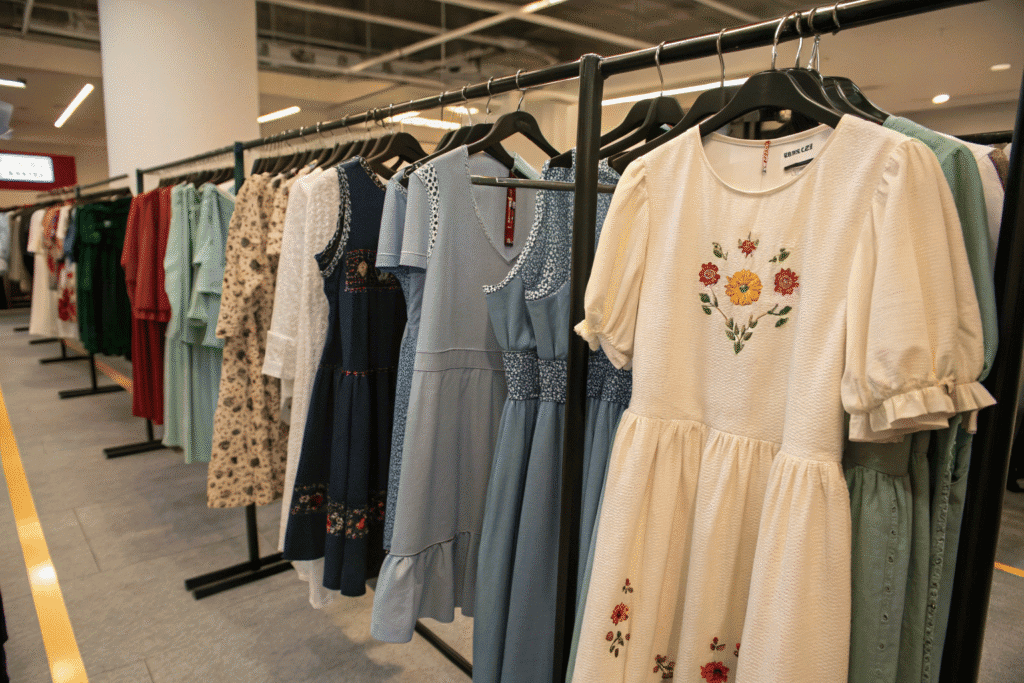
The OEM Production Process Step-by-Step
Working with a manufacturer typically includes four stages:
Step 1 — Inquiry & Requirement Confirmation
You'll provide:
- Tech pack or reference images
- Size chart
- Fabric preference
- Quantity & timeline
- Branding requirements
Clear communication from the beginning reduces revisions later.
Step 2 — Sample Development
Samples verify expectations before bulk production.
You should review:
- Fit
- Design accuracy
- Fabric suitability
- Branding placement
- Finishing details
Never skip sample approval.
Step 3 — Bulk Production
Once the sample is approved, production begins with:
- Fabric purchase
- Cutting
- Stitching
- Branding
- Final finishing
- Packaging
The best manufacturers provide production updates and mid-stage QC photos.
Step 4 — Final QC, Shipping & After-Sales
Quality checks involve:
- Measurement testing
- Color and print accuracy
- Fabric durability
- Final inspection report
A reliable manufacturer assists with logistics, export paperwork, and long-term support.
👉 Learn how OEM works step-by-step:
🔗 OEM Production Workflow
Pricing Factors to Consider When Selecting a Manufacturer
Not all prices mean the same value. Costs depend on:
| Factor | Impact on Pricing |
|---|---|
| Fabric type | Biggest cost variable |
| Style complexity | More detail = higher cost |
| Branding elements | Labels, embroidery, print |
| Order quantity | Larger orders reduce margin |
| Packaging | Custom vs standard |
| Lead time | Rush orders cost more |
Cheapest pricing often signals low skill labor, weak QC, or poor fabric quality.
2025 Checklist: How to Evaluate a Manufacturer
Below is a practical evaluation checklist before placing an order:
| Evaluation Item | Why It Matters | Status |
|---|---|---|
| Factory audit or video verification | Confirms legitimacy | ☐ Completed |
| Sample approval | Ensures product accuracy | ☐ Approved |
| Clear MOQ policy | Avoids hidden restrictions | ☐ Confirmed |
| Transparent pricing | Avoids unexpected charges | ☐ Verified |
| QC process | Protects quality consistency | ☐ Provided |
| Communication speed | Predicts future cooperation | ☐ Satisfactory |
| Lead time guarantee | Critical for seasonal brands | ☐ Confirmed |
Red Flags to Avoid When Sourcing
Avoid factories that:
- Cannot provide samples
- Refuse video factory walkthrough
- Change pricing after agreement
- Cannot explain QC steps
- Respond slowly and inconsistently
These warning signs often lead to delayed or unreliable production.
Where to Find OEM Casual Dress Manufacturers in China
Reliable sourcing channels include:
- Verified manufacturer websites
- China apparel trade events
- B2B sourcing platforms
- Industry referrals
👉 Work with a verified factory today:
🔗 Contact Us
Tips for Building a Long-Term Partnership
Successful sourcing is not just about getting a good price—it's about building trust.
Tips for long-term success:
- Communicate clearly with structured tech packs
- Plan production cycles early
- Place repeat orders with consistency
- Treat the manufacturer as a partner, not only a supplier
The best results come from long-term collaboration, not short-term transactions.
Final Thoughts
Finding a reliable OEM casual dress manufacturer in China requires research, communication, and evaluation. With the right partner, your brand can benefit from scalable production, high product consistency, and competitive pricing.
Using the checklist in this guide will help you avoid sourcing mistakes and select a trustworthy manufacturer capable of supporting your long-term growth.
👉 Start your OEM sourcing journey today:
🔗 OEM & Custom Casual Dress Services