
Finding the right Casual Dress Manufacturer is essential for fashion brands, boutiques, eCommerce stores, and private label clothing lines looking to scale efficiently. Whether you’re producing a small boutique capsule or a full seasonal collection, understanding OEM options, ODM services, pricing structures, and quality control standards will help you avoid mistakes and build a successful production workflow.
What Is a Casual Dress Manufacturer?
Definition and Role in the Apparel Supply Chain
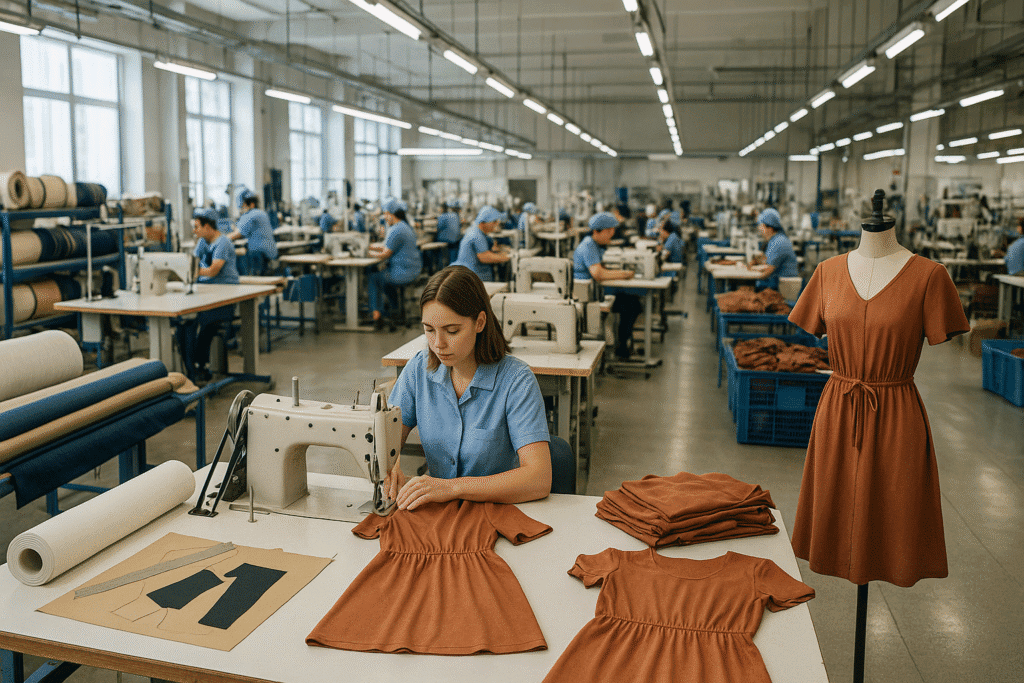
A casual dress manufacturer is a factory that designs, develops, and produces everyday dresses including knit dresses, summer dresses, shirt dresses, cotton styles, and jersey dresses. Their role is to transform fabric, patterns, and design ideas into finished retail-ready garments.
Difference Between Manufacturer, Wholesaler, and Trading Company
- Manufacturer: Handles production, sampling, and customization directly.
- Wholesaler: Sells ready-made designs with no customization.
- Trading Company: Acts as a middleman between brand and factory.
For brands that need custom styles, branding, or private label support, working directly with a manufacturer is typically the best option.
Why Fashion Brands Choose Dedicated Manufacturers
Brands benefit from:
- Better pricing
- Faster turnaround
- Higher customization
- Stable quality and repeatability
If you are looking for a manufacturer offering flexible OEM/ODM support, explore our service page: OEM Dress Manufacturer.
OEM vs ODM Casual Dress Manufacturing
What Is OEM (Original Equipment Manufacturing)?
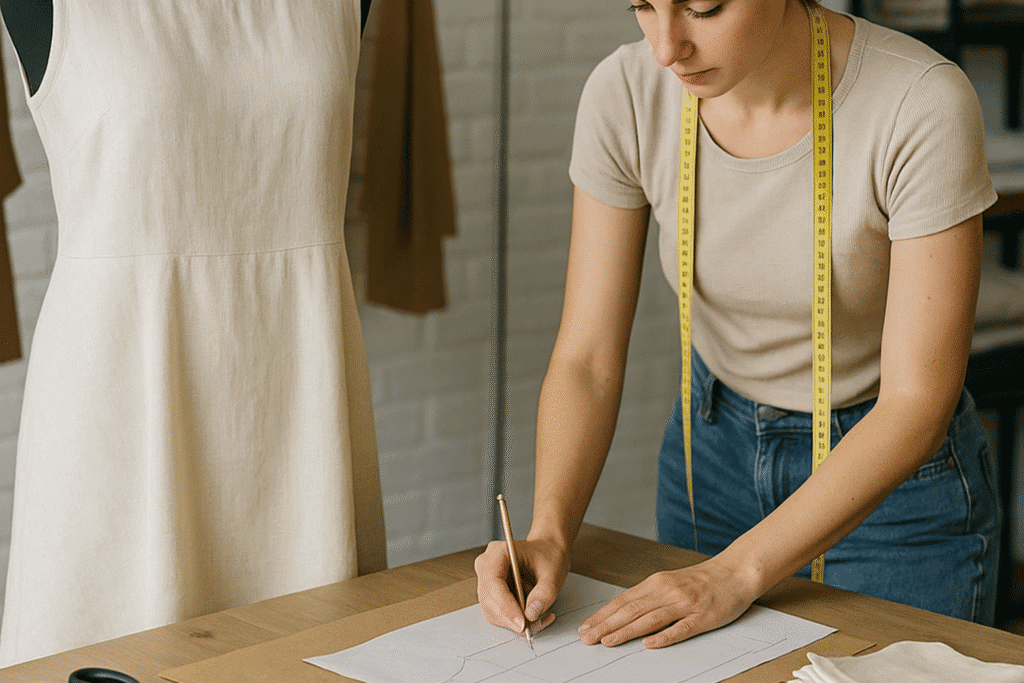
OEM allows brands to provide their own designs, tech packs, and specifications. This model is ideal for established brands with unique collections or signature silhouettes.
What Is ODM (Original Design Manufacturing)?
ODM offers pre-designed dress patterns that brands can customize with fabrics, prints, colors, and branding. This approach is perfect for startup brands, boutiques, or buyers seeking faster development and lower design costs.
Which Model Is Right for Your Brand?
| Requirement | Best Model |
|---|---|
| Fully custom designs | OEM |
| Fast market launch | ODM |
| Lower sampling cost | ODM |
| Control over patterns & sizing | OEM |
MOQ Requirements: What to Expect
Why MOQ Exists
Minimum order quantities ensure efficient manufacturing, fabric purchasing, machine setup, and cost control.
Typical MOQ Range for Casual Dress Production
Most factories operate with MOQ between 100–500 pieces per style, depending on:
- Fabric type
- Customization level
- Production complexity
How to Negotiate Lower MOQ
You may reduce MOQ by:
- Using in-stock fabrics
- Choosing standard trims
- Limiting color options
For flexible MOQ manufacturing, visit our collection: Custom Casual Dresses Manufacturer Page.
| Type of Casual Dress | Typical MOQ | Notes |
|---|---|---|
| Basic cotton casual dress | 100 pcs | Low customization |
| Printed dress | 150–300 pcs | Depends on printing method |
| Fully custom pattern dress | 300–500 pcs | Higher development time |
Pricing Breakdown: What Impacts Cost?
Material Cost
Fabric represents 40–60% of the total cost. Natural fibers like linen and cotton usually cost more than polyester blends.
Labor Cost
More detailing—such as ruching, embroidery, elastic cuffs, or smocking—raises sewing complexity and increases cost.
Design & Sampling Fees
Samples typically cost $50–$200 per style, depending on pattern development and fabric sourcing.
Packaging, Labeling & Private Label Fees
Custom labels, polybags, tags, and branded packaging add $0.30–$2.50 per piece.
Shipping & Logistics
FOB, CIF, or DDP terms determine final costs. Ocean freight is cheaper; express air freight works for urgent timelines.
| Cost Factor | Impact Level |
|---|---|
| Fabric material | ⭐⭐⭐⭐⭐ |
| Sewing complexity | ⭐⭐⭐⭐ |
| Order quantity | ⭐⭐⭐⭐ |
| Branding & packaging | ⭐⭐ |
Quality Control Standards in Casual Dress Manufacturing
Compliance & Certifications
Factories should follow certifications like:
- BSCI, WRAP (ethical manufacturing)
- OEKO-TEX® (safe fabrics)
- SGS inspection standards
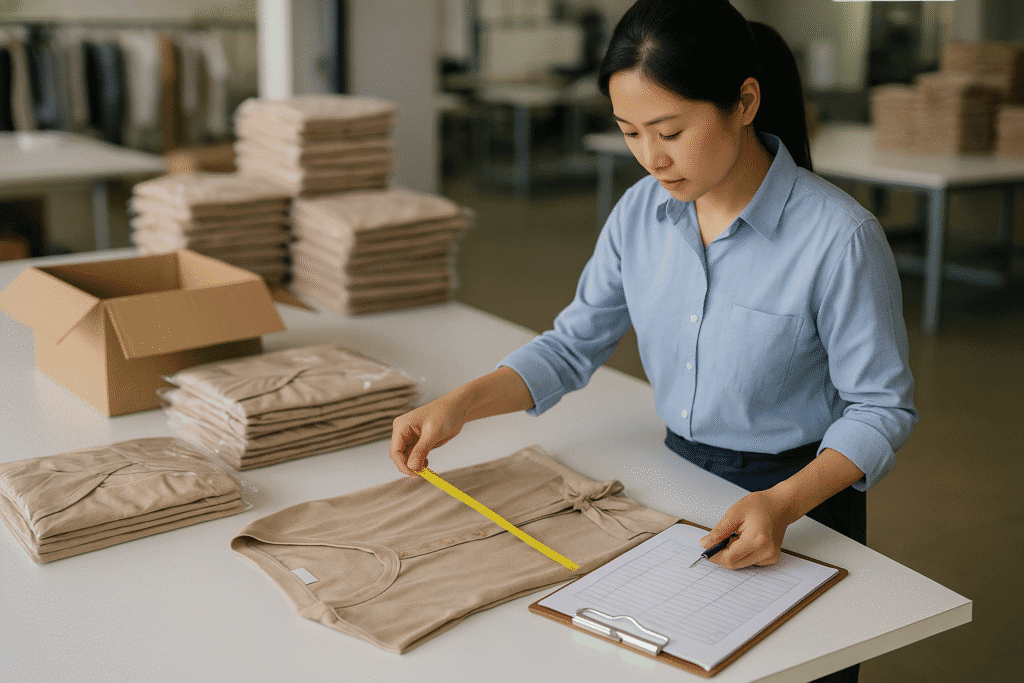
3-Step QC Process
- Fabric inspection
- In-line sewing inspection
- Final pre-shipment inspection
Common Defects to Watch For
- Color inconsistencies
- Uneven stitching
- Incorrect sizing
- Print misalignment
Role of Tech Packs
A detailed tech pack ensures consistency in:
- Measurements
- Stitching construction
- Label placement
- Fabric requirement
How to Choose the Right Casual Dress Manufacturer
Checklist
- Experience with private label production
- In-house sampling and pattern making
- Transparent pricing
- Stable communication workflow
Red Flags
- No sample approval process
- No QC system
- No clear pricing structure
Must-Have Requirements
Private label brands should require:
- Label customization
- Size grading
- Repeatable fabric sourcing
Timeline & Workflow: From Inquiry to Production
Inquiry & Quotation Stage
Brands share fabric preferences, inspiration images, or tech packs.
Sampling: 7–20 Days
Prototype, fitting adjustments, and final approval.
Production: 20–45 Days
Depends on fabric type, complexity, and order volume.
Final QC & Shipment
The factory performs final checks before packing and shipping.
Final Tips for Brands
Communicate Clearly With Tech Packs
The clearer the instructions, the smoother the production.
Build Long-Term Partnerships
Consistent orders help optimize cost and quality.
Start Small and Scale Smart
Start with a test order, review quality, and then scale production.
FAQ
Q: Can I request private label branding?
Yes, labels, hangtags, and packaging can be customized.
Q: Do manufacturers offer custom sizing?
Yes — especially when working under OEM or private label models.
Q: Can I order multiple colors under one MOQ?
Most factories allow color splits within the total order quantity.